 小影邮箱
邮件投诉怎么处理?Handling a Complaint Well
Key Takeaways
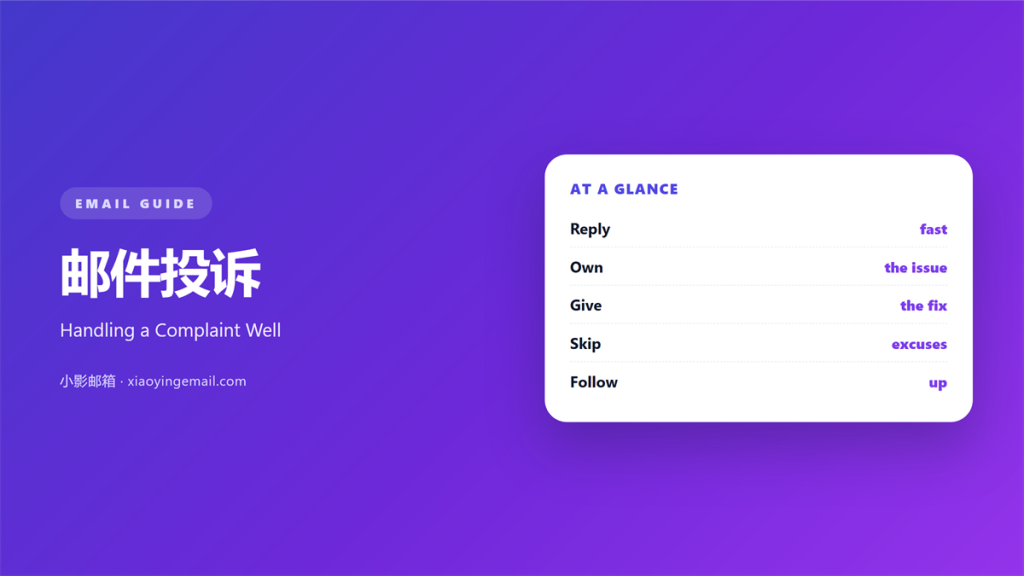
- 邮件投诉 is a complaint that arrives by email.
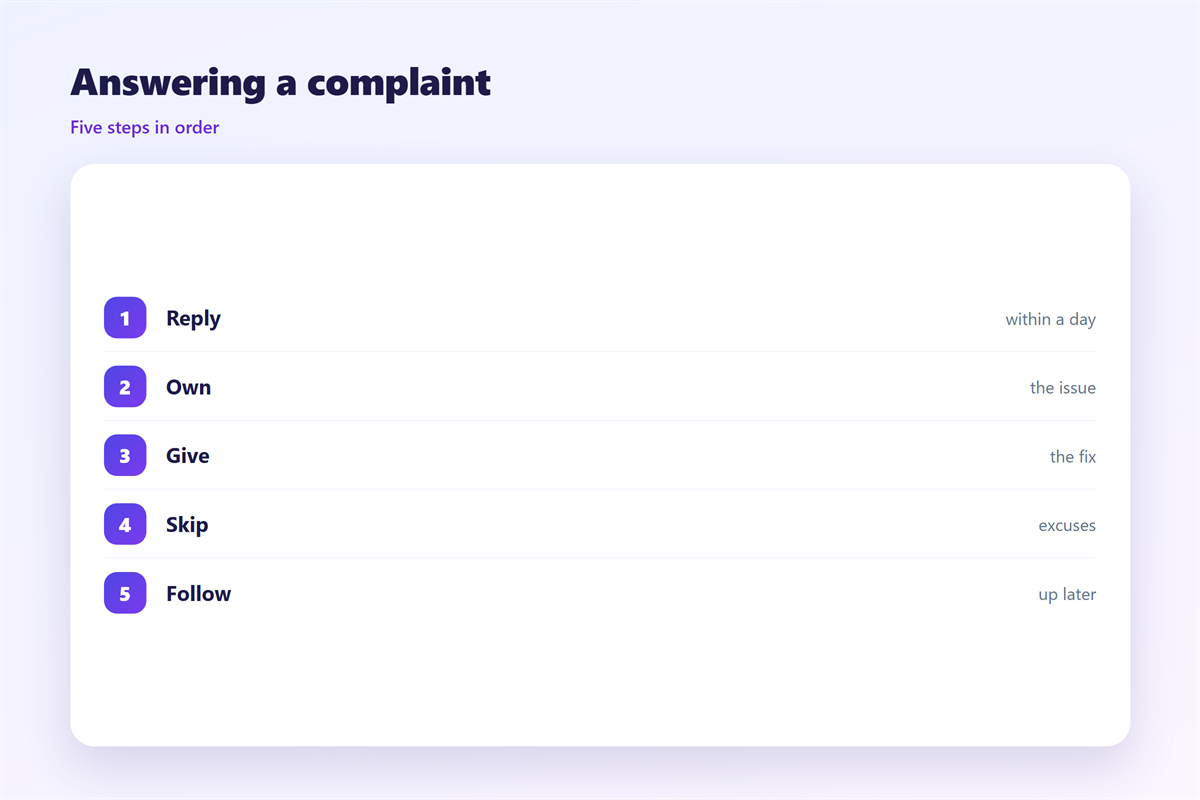
- Read the whole note before you reply.
- Name the issue in your own words.
- State the fix and a real date.
- Then follow up until it is closed.
What 邮件投诉 means
邮件投诉 is a complaint sent by email.
A customer writes when something fails.
The note may be angry or short.
It often arrives after a bad day.
Your reply decides what happens next.
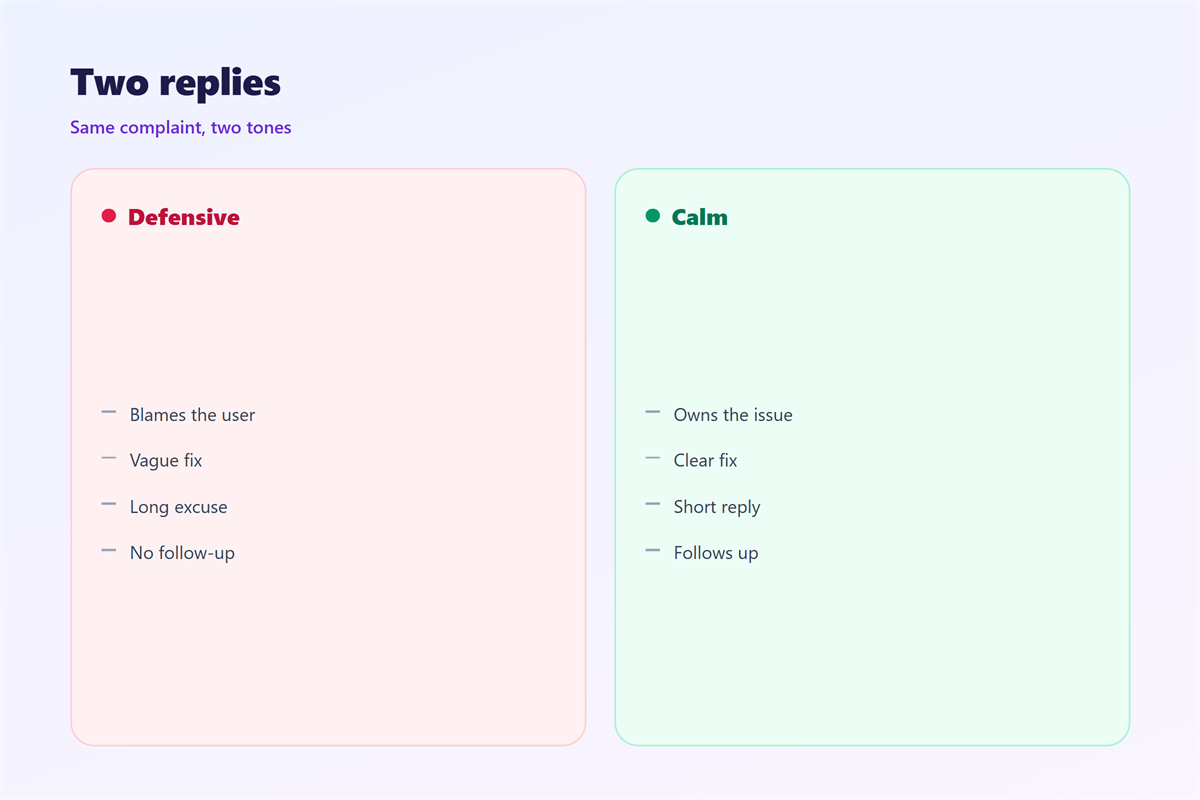
A calm reply can save the account.
A defensive one can lose it.
So the first job is to read fully.
The second is to name the problem.
The third is to state the fix.
Then you set a date and keep it.
That order keeps you steady.
It also keeps the customer calm.
A steady tone spreads to the reader.
They also want a fair hearing.
Give them both in one note.
Why 邮件投诉 matters
Every complaint carries a signal.
One signal is about the product.
Another is about the service.
Together they show what to fix.
A fast reply also protects the brand.
People tell others about bad handling.
They rarely mention a good one.
So a quiet fix has a cost too.
Handle 邮件投诉 well and you keep the customer.
Handle it badly and you lose two.
The writer leaves, and their friends hear why.
That is why the tone matters.
A fair reply can even win praise.
People respect a firm that listens.
They also tell others about it.
Good news travels slowly, but it travels.
Facts before feelings
Collect the order number first.
Then check what really happened.
Facts calm an angry note.
Guesses make it worse.
When 邮件投诉 helps
A handled complaint helps the firm.
It shows the weak part of a process.
It gives the team a real example.
It also tests the support desk.
A good outcome can please the writer.
Some customers stay after a fix.
Their loyalty often grows.
They saw you act when it mattered.
That story travels well too.
So a complaint is a chance.
It is unpleasant but useful.
Treat it as free advice.
It also shows the team you care.
That mood spreads through the desk.
The owner rule
Give every case one owner.
Do not pass it around.
The customer should know the name.
That ends the confusion.
When 邮件投诉 hurts
A slow reply turns anger into action.
The customer may post in public.
A public post costs more than a refund.
Copy-paste replies hurt too.
The writer sees the blank template.
Then trust drops fast.
Blame hurts most of all.
Telling the customer they are wrong ends the talk.
Even when they are wrong, stay calm.
Correct the facts gently.
Then offer a way forward.
That keeps the door open.
Never argue twice about one point.
Say it once, clearly, then move on.
Long threads also wear people down.
So keep every reply short.
The one-apology rule
Apologise once, and mean it.
Repeating it sounds hollow.
Move to the fix quickly.
Action says more than words.
邮件投诉 in practice
Start the reply with thanks.
Then restate the problem briefly.
Show you understood the loss.
State the cause in plain words.
Offer one clear fix.
Add a date you can keep.
Give the customer a choice if possible.
Then set a reminder for that date.
Update the case before it is due.
Keep every message on one thread.
Close with a short, warm line.
Then ask if anything is still open.
Write down what you promised.
That note protects you later.
Then re-read it once.
Fix any line that blames.
Then send it calmly.
How to set 邮件投诉
Build a calm opening you can reuse.
Add a line for the order details.
Add a line for the cause.
Add a line for the fix.
Then add a closing thank-you.
Check that every line is neutral.
Remove any word that blames.
Save the draft for the whole team.
Then set a reply target.
A first reply inside one day is a good aim.
Train the team on three real cases.
Then review one case each month.
邮件投诉 handling improves with practice.
Small fixes add up over a year.
That habit protects the brand.
Then track the closing time.
One number guides the team.
邮件投诉 and the customer
The customer wants two things.
They want to be heard.
They want the problem to end.
Give both in your first reply.
Then keep the promise you made.
A missed date doubles the anger.
So promise only what you can do.
Better a small fix on time.
Than a big one that slips.
Follow up even after the close.
A short note a week later helps.
That last step often surprises people.
A short thank-you note works well.
Keep it warm and brief.
Keeping 邮件投诉 on track
A calm plan makes each case easier.
The gentle contact that follows a fix appears in 邮件客户关怀.
The wording for a real apology sits in 邮件道歉信.
The loop that gathers reactions is covered in 邮件反馈.
The check that follows the fix appears in 邮件回访.
Review one closed case each month.
Then share the lessons with the team.
A shared habit keeps cases calm.
A steady 邮件投诉 process keeps customers.
FAQ
How fast should I answer a 邮件投诉?
Send a first reply within one working day.
Should I apologise more than once?
No. One sincere apology, then move to the fix.
What if the complaint is unfair?
Correct the facts calmly and offer a fair step.
Does 邮件投诉 always need a refund?
No. A clear fix and a date often work better.
评论
还没有评论,来说两句吧。
评论功能已关闭。