 小影邮箱
邮件回访怎么做?Check Back With Care
Key Takeaways
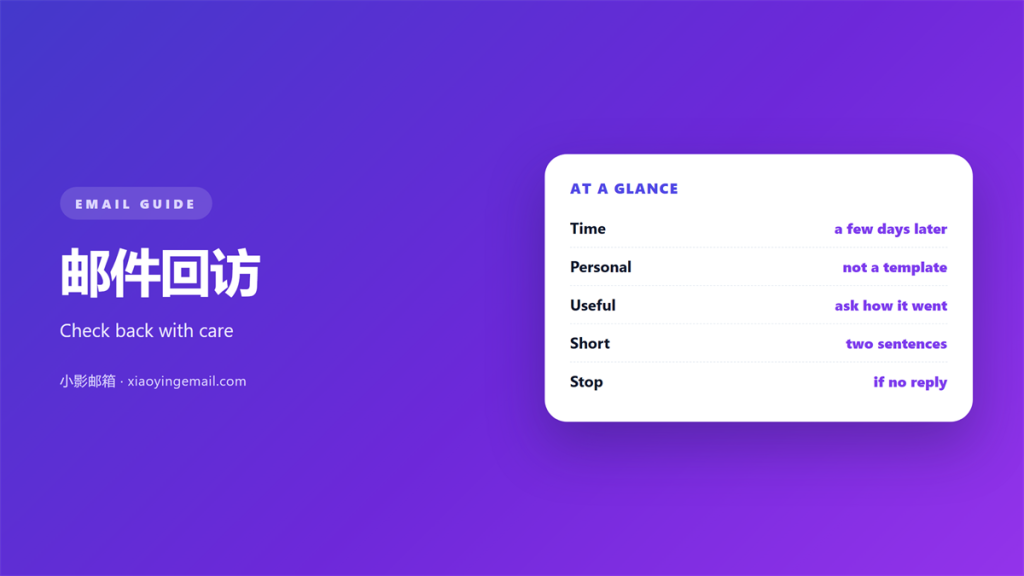
- 邮件回访 is a short check in after a sale.
- Time it to match the customer’s own pace.
- Ask one clear question and then stop.
- Reference what they actually bought from you.
- Skip the hard pitch and keep it human.
What 邮件回访 really means
邮件回访 is a short note that lands after a sale.
It is not another promotion or a second invoice.
The aim is simple. You want to know how things went.
A good 邮件回访 feels like a neighbour checking in.
It carries no pressure and asks for nothing costly.
Most people ignore follow ups that look automated.
They answer ones that sound like a real person wrote them.
So keep the message small and the tone warm.
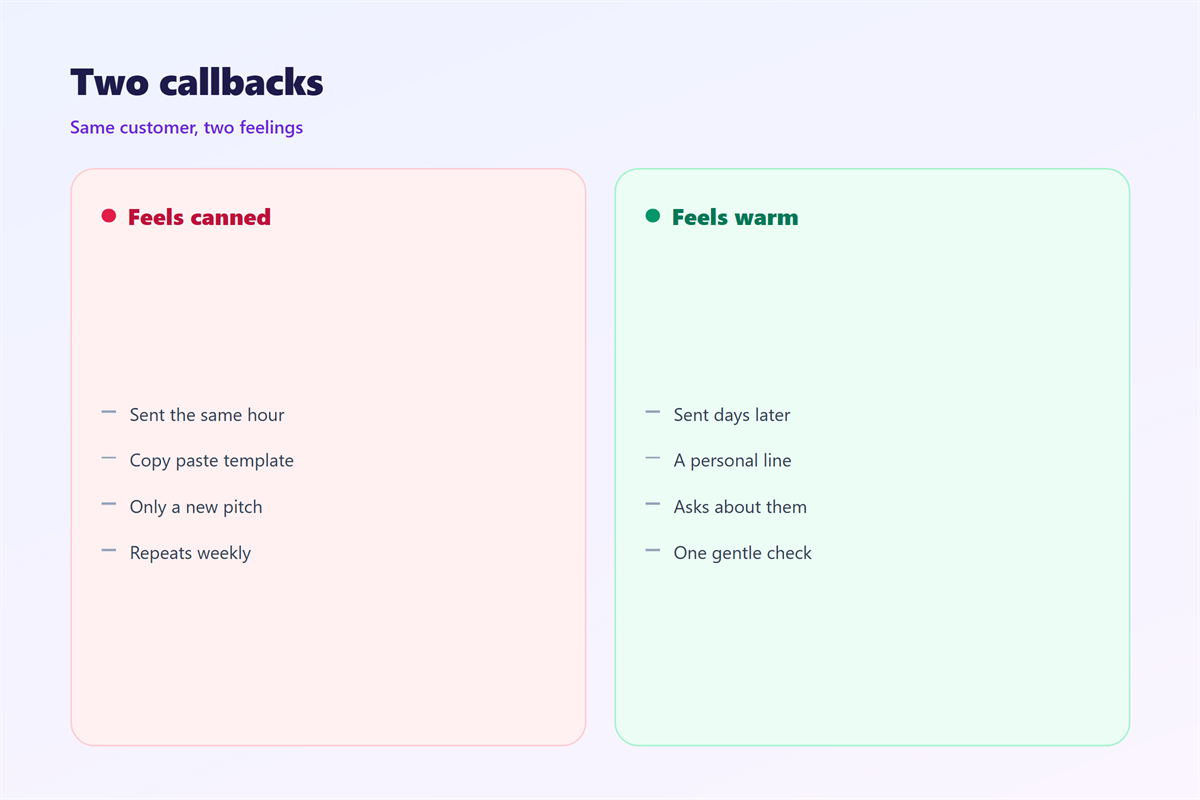
A cheap template often reads like a cold form letter.
A real 邮件回访 mentions the small choice they made.
One honest line from a customer beats ten blind guesses.
So treat each answer as a small piece of guidance.
Small notes build a longer relationship over time.
A steady habit beats one grand gesture each year.
Why timing decides the result
Send too early and the parcel may not have arrived.
Send too late and the memory has already faded.
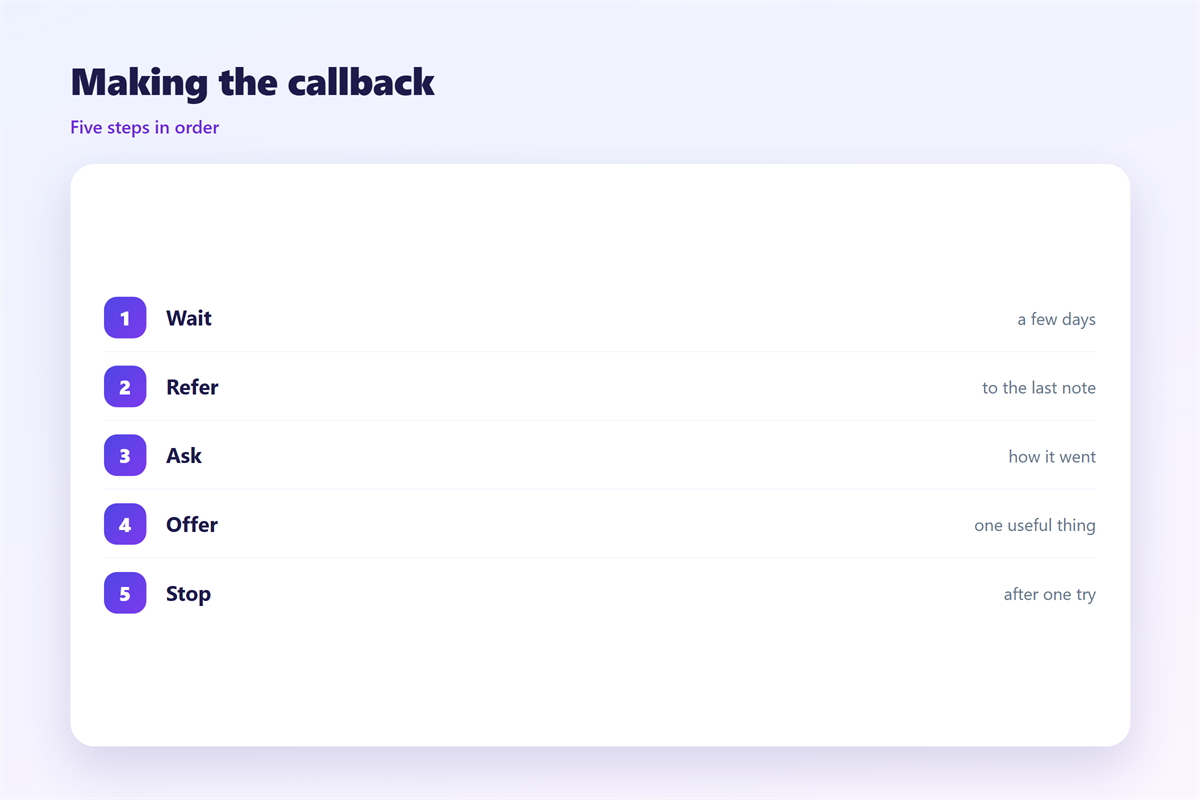
A few days after delivery is often the sweet spot.
Watch the order data to find that quiet window.
For a service, wait until the first result shows.
Then your question matches the moment they feel it.
A rushed note can feel like a demand for praise.
A late note can feel like an afterthought you forgot.
Let the moment choose the day, not the calendar alone.
Watch the calendar around public holidays.
People read mail less on a long weekend.
Signs the moment is right
The customer has had time to open the box.
They have used the thing at least once.
They have not asked for a refund yet.
Signs you should wait
Support is already handling an open ticket.
The delivery was late and still in transit.
They just received three other messages from you.
Writing a light 邮件回访
Open with their name and the item they chose.
Then ask one question that is easy to answer.
Offer a way out so nobody feels trapped.
Keep the whole note under a hundred words.
One link is plenty. Two already starts to feel busy.
A plain 邮件回访 often beats a glossy template.
Read it aloud before you send it out.
If it sounds like a script, rewrite the first line.
Keep the subject line plain and free of hype.
Name the item so the reader knows it is genuine.
A short note respects the time of a busy person.
Keep the whole message focused on one clear point.
A tidy note is also easier to answer well.
Phrases that work
Ask how the first week has gone so far.
Ask whether anything needs a quick fix.
Thank them once and mean it clearly.
Phrases to avoid
Do not ask for a review straight away.
Do not add a discount code to the footer.
Do not claim you were just thinking of them.
Following a 邮件回访 up
Many people will not reply to the first note.
That silence is normal and rarely means dislike.
If you follow up, wait at least a week.
Then send one short reminder and let it rest.
Two quiet attempts are enough for most cases.
A third try can damage the goodwill you built.
Track which 邮件回访 gets an answer and when.
That record tells you more than any guess.
Keep a simple log of every note you send out.
Note the day the message went and the reply came.
That log turns a slow habit into a steady process.
Habits that keep 邮件回访 useful
Write from a real inbox that accepts replies.
Let one person own each customer thread.
Log the answers where the whole team can see.
Turn a repeated complaint into a real fix.
A 邮件回访 only pays off when someone acts.
Share the good lines that customers send back.
Retire any script that starts to feel stale.
Keep the habit small enough to survive busy weeks.
Thank the people who take time to answer you.
Read ten replies before you change the wording.
Small tweaks beat a full rewrite every single time.
Keep the tone the same across every channel you use.
A follow up that matches your brand feels natural.
Keep the notes short and the tone light.
A single kind line is easy to answer.
What to measure
Count how many notes actually reach a person.
Count how many come back with a reply.
Watch whether repeat orders rise over time.
Keeping 邮件回访 intact day to day
Time each note with care. The rules are set out in 邮件跟进.
Keep the relationship warm. The full approach sits in 邮件客户关怀.
Reuse the wording you trust. A safe starting point is in 邮件模板.
Judge the result by answers. The right measure is in 邮件回复率.
Then keep the routine steady and kind. A calm 邮件回访 earns trust that lasts.
FAQ
How soon should a 邮件回访 go out?
Usually a few days after delivery, once the item is used.
Should every 邮件回访 ask for a review?
No. Ask about their experience first and leave the review for later.
What if nobody replies to my 邮件回访?
That is common. Move on and try again with the next order.
Can I send the same 邮件回访 to everyone?
Only as a base. Change the first line to fit each customer.
References
- M3AAWG: Messaging best practices
- Litmus: Email design and testing research
- EFF: Email privacy and user trust
评论
还没有评论,来说两句吧。
评论功能已关闭。