 小影邮箱
邮件保密声明怎么写?A Quiet Footer Line

Key Takeaways
- 邮件保密声明 asks the reader to keep a message private.
- Keep the line short, plain, and honest.
- Place it low, where it does not crowd the text.
- A 邮件保密声明 is a request, not a legal shield.
- Match the wording to your real policy.
What 邮件保密声明 means
邮件保密声明 is a short line about privacy.
It asks the reader to keep the message to themselves.
The line often sits near the bottom of the mail.
It may also warn against forwarding or copying.
Some versions add a note about unintended readers.
A 邮件保密声明 is common in formal or legal mail.
It grew out of old office customs and caution.
The idea is simple and the wording should be too.
It is a polite request, not a wall.
Most readers barely notice the line at all.
That quiet quality is part of its charm.
The line is easy to add and easy to ignore.
Most teams keep one version for years.
It travels with every message that leaves the desk.
So it should read well on a small screen.
It sits below the message like a small stamp.
No one reads it before the main text.
Why 邮件保密声明 matters
Some messages carry names, numbers, or private plans.
A short line tells the reader to treat them with care.
A 邮件保密声明 also signals that the sender thinks ahead.
In regulated work, that small signal can matter.
The line does not replace a real policy, though.
It only reminds the reader of good habits.
A clear line also helps a new reader feel safe.
The reader knows who to ask about the contents.
That small comfort can prevent a quiet mistake.
The line shows that privacy is taken seriously.
That trust is worth one short sentence.
What the line can do
It can set a tone of care and attention.
It can point a worried reader to the right person.
It can name the company that owns the mail.
It can repeat a rule the team already follows.
It cannot stop a determined reader from sharing.
It cannot create rights the law does not give.
So treat it as a nudge, not a fence.
Think of it as a note on a sealed envelope.
It asks for care without a raised voice.
How to write 邮件保密声明
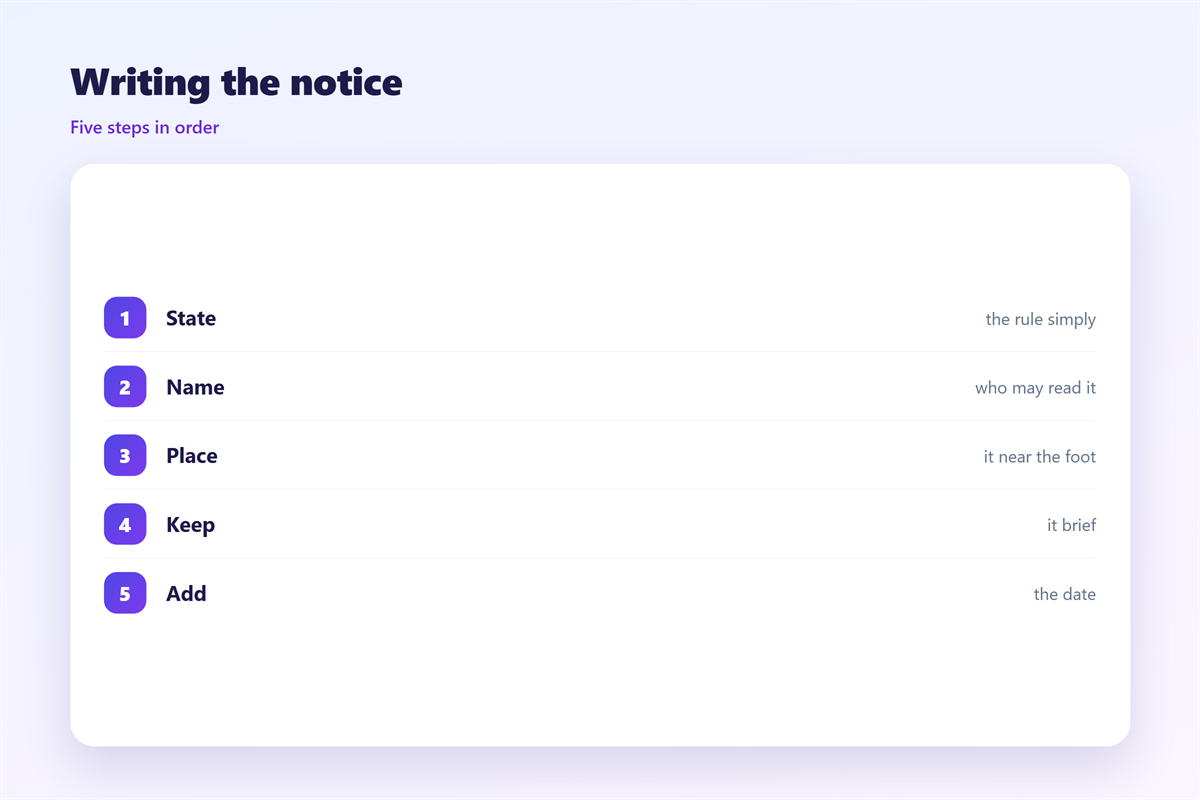
Start with one plain sentence.
Say who should read the message and who should not.
Ask the reader to tell you about a wrong delivery.
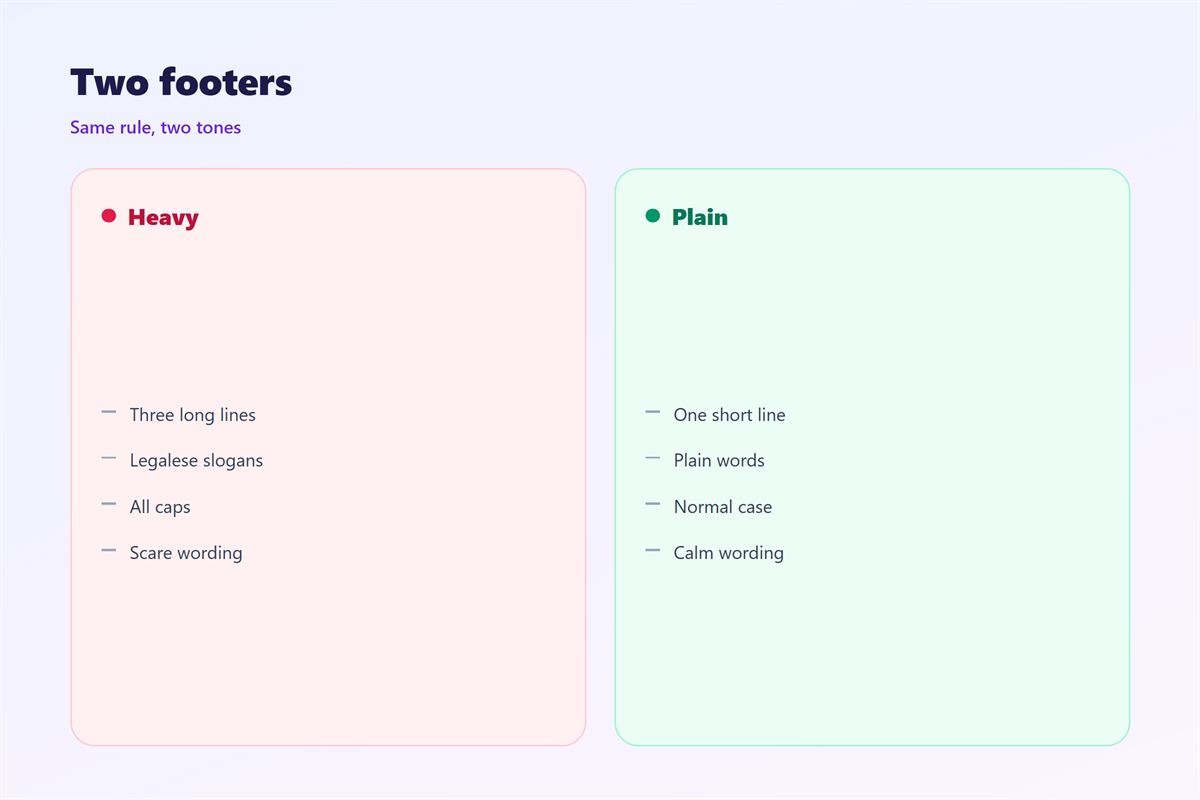
Keep the verbs simple and the tone calm.
Avoid threats, fines, and long warnings.
Read the line aloud before you keep it.
If it sounds harsh, soften the words.
A calm line is easier to respect.
Words that work
Try a line like the one below.
State that the message is confidential and meant for one reader.
Ask for a reply if the message arrived by mistake.
That is enough for most everyday mail.
Save the longer wording for legal teams.
A short line is read far more often.
Keep the same wording in every message.
Readers then know the line at a glance.
邮件保密声明 and the law
A footer line is not a contract.
It does not create a duty all by itself.
Real protection comes from policy, training, and care.
Rules about private data live in the law.
Your own policy should match that law.
Then the 邮件保密声明 simply echoes what you practice.
A line that promises too much can hurt you.
So keep the promise small and true.
Ask a lawyer before you copy a strong claim.
Many bold footers mean far less than they seem.
Where to place 邮件保密声明
The line belongs low in the message.
Put it below your name and sign-off.
Keep it out of the main paragraph.
A reader should reach the content first.
Some teams let the mail client add it.
That keeps the wording the same every time.
A fixed footer is easier to review and update.
Check the line on a phone and a desktop.
Make sure it does not wrap into a mess.
邮件保密声明 and honesty
Only claim what you can actually enforce.
A scary line that does nothing fools no one.
Readers learn which footers to ignore.
An honest 邮件保密声明 keeps your words worth reading.
When your policy changes, update the line.
Then the footer stays true to the work.
A short review once a year keeps it fresh.
Then the line quietly does its small job.
邮件保密声明 and email clients
Most mail clients let you save a footer once.
Then the line appears on every new message.
Check where the client puts the text.
Some apps add it above the quoted message.
That can hide the line in a long reply.
Test the footer by sending a note to yourself.
Look at the result on a phone.
Fix the spacing if the lines crowd.
A tidy footer is easier to read.
Then the line appears where you want it.
Keeping 邮件保密声明 habits consistent
One clear footer across the whole team reads as one voice.
The wider set of fine print is covered in 邮件免责声明.
The space below the sign-off is described in 邮件页脚.
The name block above it appears in 邮件签名.
The rules that shape all of this appear in 邮件合规.
Choose one short 邮件保密声明 and reuse it everywhere.
FAQ
Is 邮件保密声明 legally binding?
No. It is a polite request, not a legal contract.
How long should the line be?
One or two short sentences is usually plenty.
Where should I put it?
Below your sign-off, at the very bottom of the mail.
Do I need one on every message?
No. Use it on mail that carries private details.
References
- IETF RFC 3834: Automatic responses to electronic mail.
- FTC: Protecting consumer privacy.
- The Chicago Manual of Style: Editing and usage.
评论
还没有评论,来说两句吧。
评论功能已关闭。