 小影邮箱
邮件称呼怎么选?Salutations That Fit the Reader
Key Takeaways
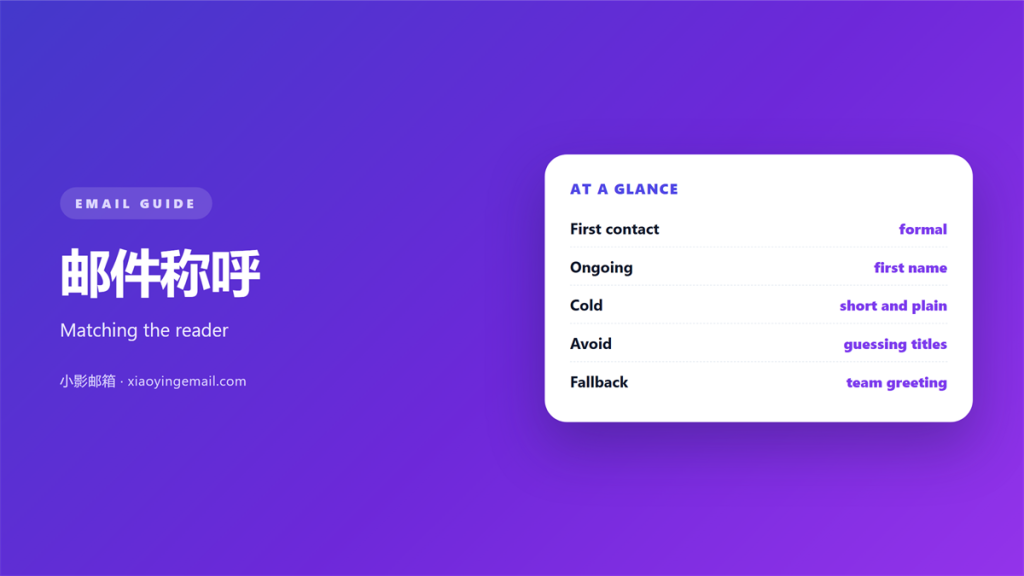
- 邮件称呼 is the first thing the reader hears, and it sets the tone for everything after it.
- The safe answer is usually the one that matches the relationship, not the one that sounds most impressive.
- A guessed name is worse than a general greeting, because a wrong guess signals carelessness.
- Formality should track context, not personal preference.
- Once a 邮件称呼 is chosen, consistency across a thread matters more than getting it perfect.
What a 邮件称呼 has to do
A 邮件称呼 has one job that outweighs everything else: it should tell the reader that the message is for them and that you know roughly who they are. That is a low bar, and the ways to miss it are well known.
Everything beyond that is tone. A greeting can be warm, neutral or formal, and all three can be correct in the right setting. The trouble starts when the greeting says one thing and the rest of the message says another — an effusive opening followed by a blunt demand reads as insincere, and a curt opening followed by a friendly body reads as an accident.
The good news is that a 邮件称呼 is also the cheapest thing to fix. It is one line, it can be adjusted right up to sending, and getting it right costs nothing but a moment of thought about the recipient.
It is worth separating two things that get bundled together: respect and familiarity. A greeting can be respectful without being familiar, and familiar without being disrespectful. Which one you want depends on how much history exists between you, not on how much you admire the reader.
Matching 邮件称呼 to the relationship
The relationship, more than any style guide, tells you which greeting fits.
First contact
For a first message the greeting should do a little more work. If you know the name, use it; if you do not, a general address is honest and acceptable, and inventing a nickname is not.
Ongoing thread
Inside an active conversation the greeting can shrink. Repeating a full formal address in the fifth reply of a thread feels stilted, so most people drop to a name or nothing.
Cold outreach
Cold messages live or die on the first line. A specific, correct name outperforms a generic greeting every time, which is why a little research pays off before the words.
Between those cases there is a wide middle: colleagues you have met once, clients you have emailed for a year, and people you know only through a shared project. In that middle, the greeting should follow the other person’s lead. If they write to you with a first name, use theirs; if they keep a title, keep it too.
Common 邮件称呼 mistakes
Most greeting errors are not grammatical. They are social, and they cost credibility in a single line.
Guessing a name
A misspelled or invented name is worse than no name at all. When you are unsure, use a neutral greeting and let the body earn the reader’s attention honestly.
Over-formal greetings
Laziness is the third failure, and the hardest to spot. A greeting copied from a template fits no one in particular, and a reader who senses it will assume the rest of the message is equally generic.
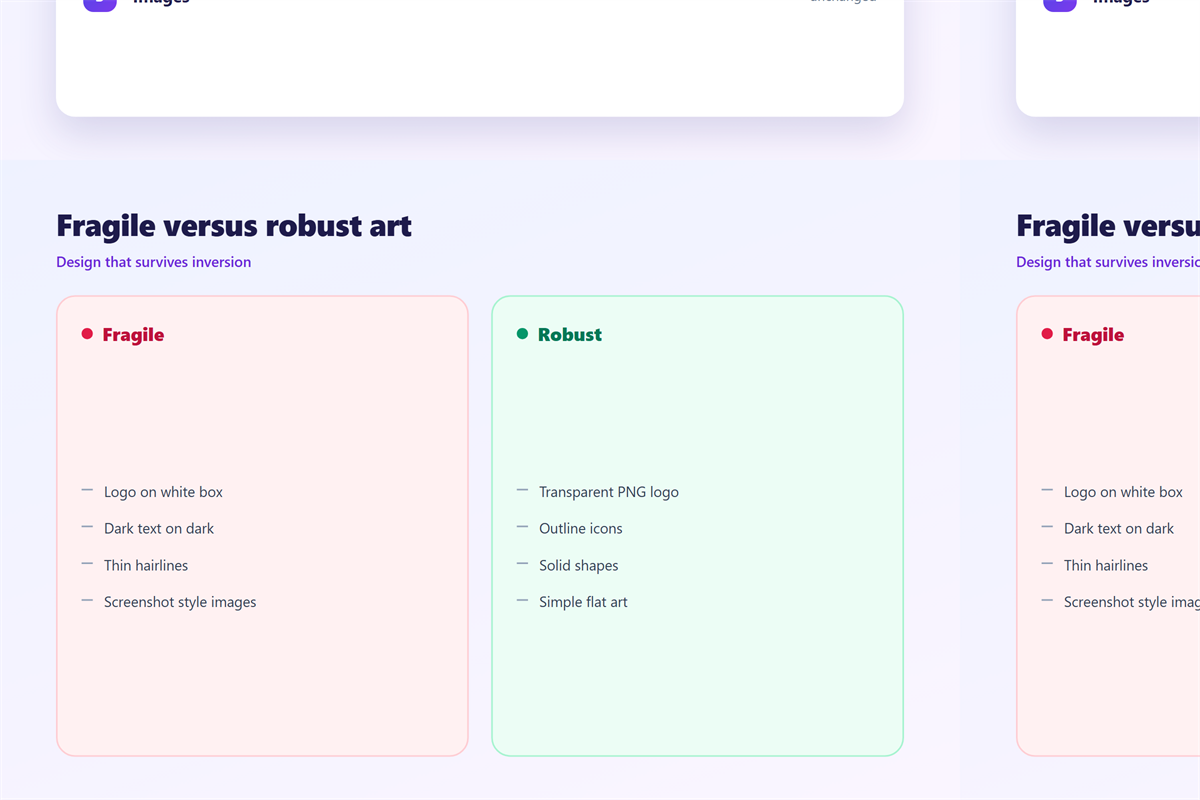
Excessive ceremony can read as distance or as a template. In a team that writes in first names, a stiff salutation announces that you have not noticed how they speak.
Choosing a 邮件称呼 you can defend
The test for a greeting is simple: could you justify it if the reader asked why you wrote it that way? If the answer is “it matched the context”, you are fine. If the answer is “it is what I always write”, the greeting is on autopilot, and autopilot is exactly what a 邮件称呼 should never be.
A defensible choice also makes later messages easier, because the greeting you used first becomes the precedent for the rest of the thread.
It also helps to decide the 邮件称呼 once and reuse it deliberately. Changing greetings every few messages reads as indecision, and readers notice inconsistency long before they notice formality.
Testing 邮件称呼 choices
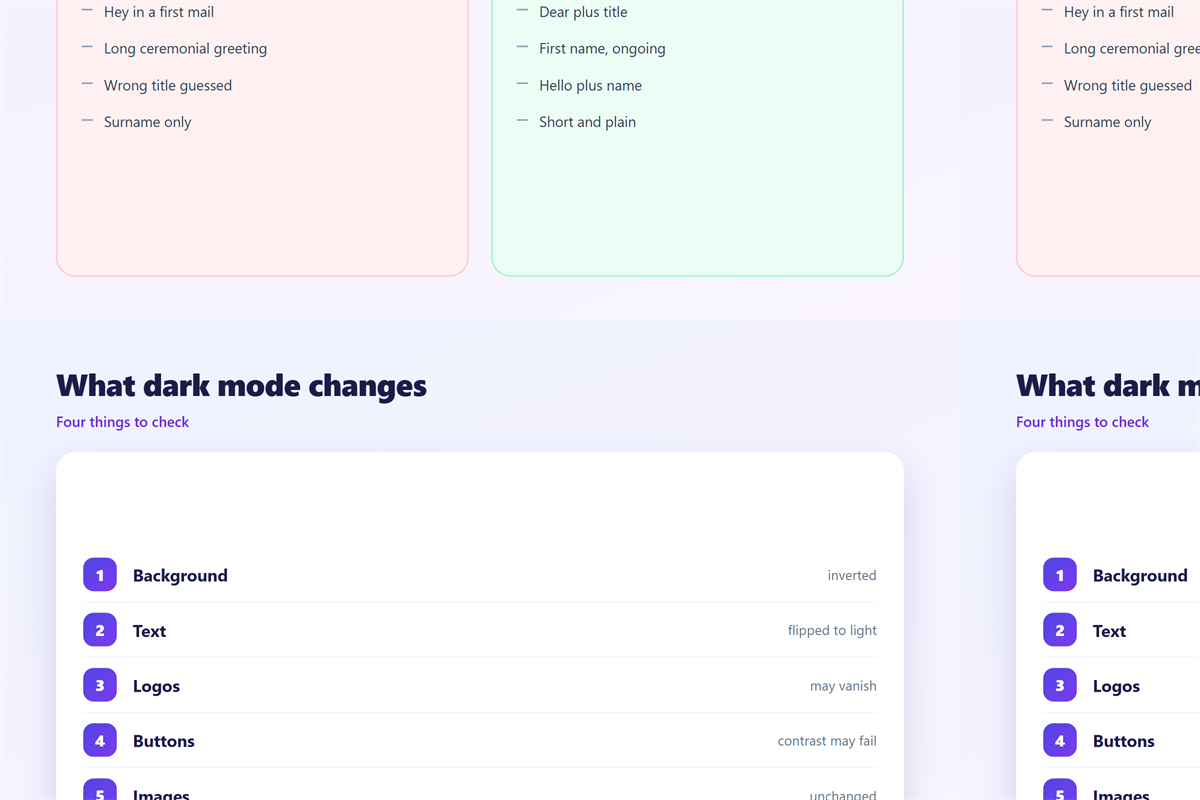
Watch how the other person replies. If they answer with a name and a warmer tone, your greeting set a comfortable level; if their replies get shorter and more formal, it landed too stiff. Read the response, then adjust the next greeting by one notch. If the thread is long, look back at how it opened, because the greeting that started it is usually still the right one.
The line that follows your greeting is covered in 邮件开场白, and the broader norms around it belong with 邮件礼仪. What sits at the other end is described in 邮件签名, and the register of the whole message is covered in 邮件语气.
FAQ
Is “Hi” a safe 邮件称呼?
For most professional messages, yes. It is warm enough to feel human and neutral enough to suit almost any reader you have not met in person.
What 邮件称呼 works for a group?
A simple collective address such as “Hello everyone” reads naturally. Long lists of names are brittle and break the moment one recipient changes.
Should a 邮件称呼 use a title?
Only when the setting calls for it, such as formal correspondence or a first contact with someone senior. Otherwise a title can feel like distance.
Can a 邮件称呼 be omitted?
Inside an ongoing thread, yes, and it often reads as a sign of a working relationship. In a first message, leaving it out usually looks abrupt.
References
延伸阅读
- 《邮件抄送礼仪有哪些?Who to Include and Why》
- 《邮件校对怎么做?Catch the Small Slips》
- 《邮件敬语怎么用?Words of Respect》
- 《邮件名片怎么做?A Contact Block That Works》
- 《邮件缩写怎么用?Short Forms Done Right》
- 《邮件问候语怎么选?A Greeting That Fits》
- 《邮件礼貌用语怎么用?Plain Courtesy》
- 《邮件署名怎么写?A Sign-Off That Closes》
- 《邮件开头怎么写?First Lines That Land》
- 《邮件落款怎么写?Closing Lines That Sign Off》
评论
还没有评论,来说两句吧。
评论功能已关闭。