 小影邮箱
邮件金额怎么写?Amounts Without Ambiguity
Key Takeaways
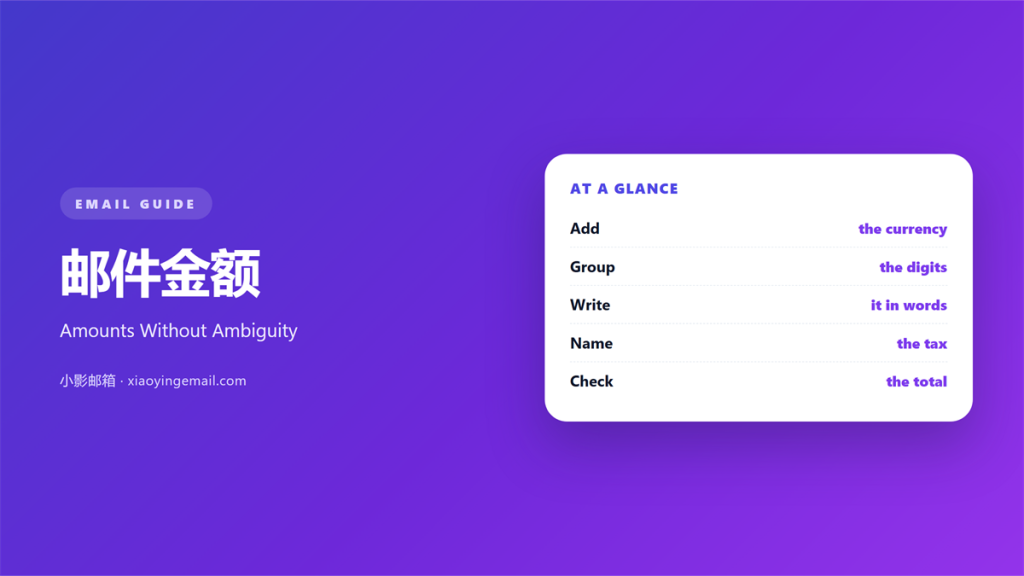
- 邮件金额 states a sum so no reader has to guess.
- Always pair the number with a currency code.
- Keep the digits and the written words side by side.
- A missing sign invites a real and costly mistake.
- Repeat a large 邮件金额 once, in the closing line.
What 邮件金额 means
邮件金额 is any sum of money written inside a message.
It covers a price, a fee, a budget or a refund.
The figure must be complete and easy to copy.
Most people type money fast. They skip the currency code.
That small omission can double or halve a total.
Think about the sum “$1,250”. It looks simple enough.
Yet “1250” alone could be dollars, euros or yen.
A clear 邮件金额 removes the guesswork in one stroke.
It also lets a reader paste the figure with confidence.
Small errors here cost real money.
Why 邮件金额 matters
Money carries weight, even inside a short note.
A written sum can support a quote or a claim.
When the figure is vague, both sides carry a risk.
The sender may bill one amount and the reader another.
Clear 邮件金额 keeps a record honest and firm.
It also speeds up approval, because nobody must ask.
A clear total saves a second message and a delay.
One clear figure can end a long thread.
The cost of a missing sign
A missing currency sign rarely starts a fight.
But it invites a quiet, expensive error later.
A finance team may convert the wrong figure.
A customer may pay the wrong amount and dispute the rest.
Writing a number and a code
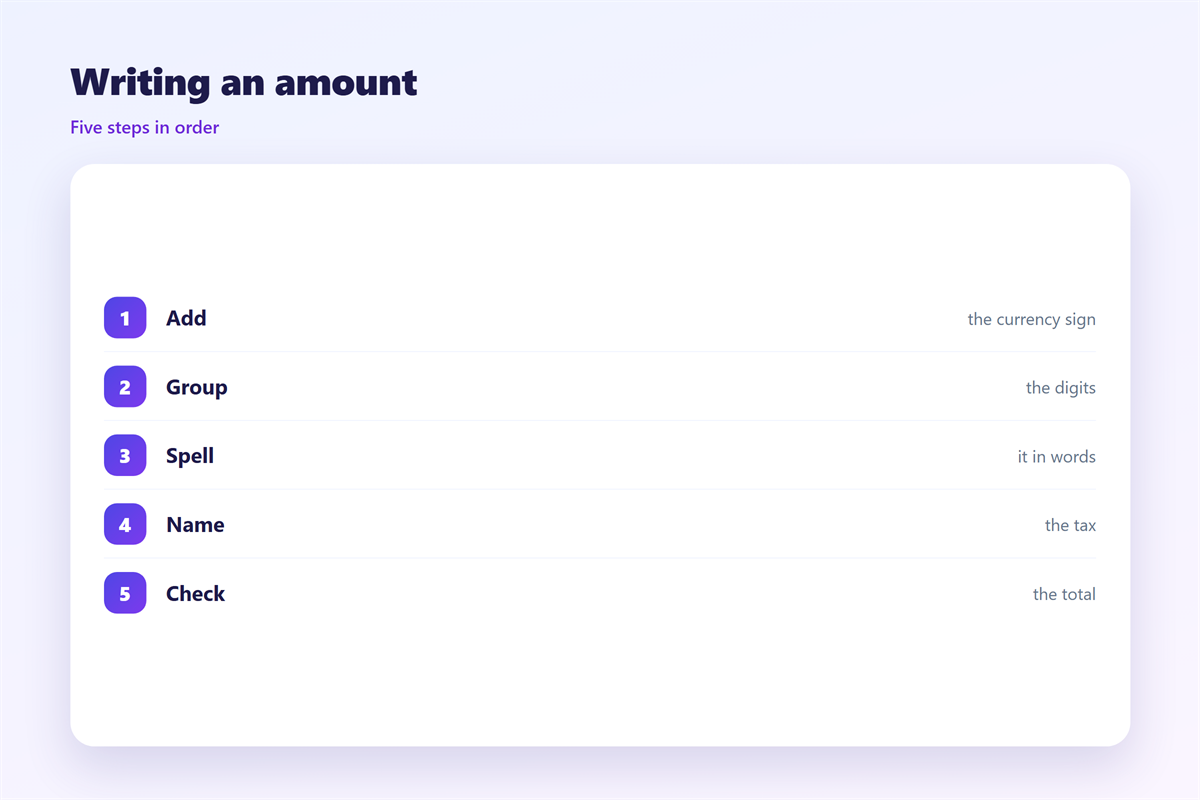
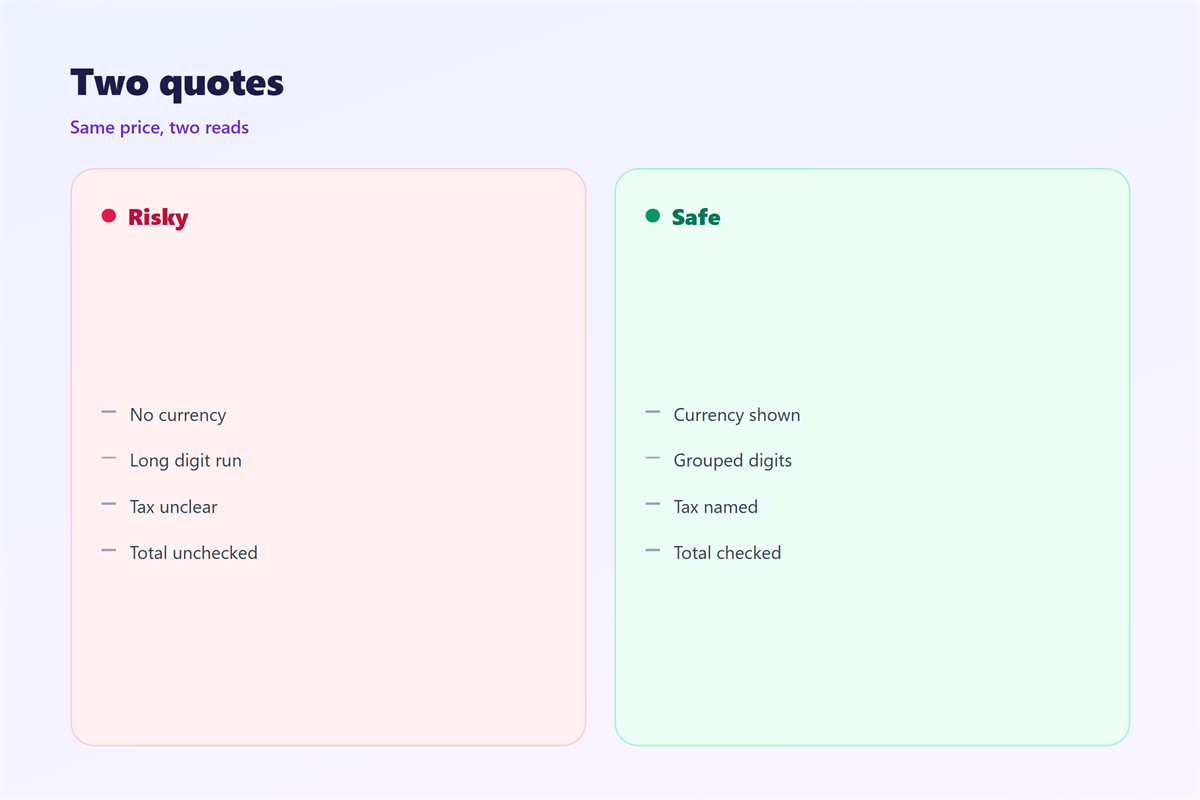
Place the number and the currency code on one line.
Write “USD 1,250.00” rather than a bare “$1250”.
A three-letter code works across every border.
The code stays clear even when a symbol does not.
Use a full stop for the decimal and a comma for thousands.
Keep the same order in every row of a table.
Write the code before the number in a formal quote.
Then the eye reads the currency first.
Spelling the amount in words
Add the sum in words for a contract or a large fee.
“One thousand two hundred and fifty US dollars” leaves no doubt.
Keep the words and the digits beside each other.
If the two ever differ, fix the line before you send.
邮件金额 in quotes and invoices
A quote states what you will charge for the work.
An invoice states what the client now owes.
Both need the same clear format and the same currency.
List the subtotal, the tax and the final total.
Write the full 邮件金额 in the subject line as well.
Keeping a paper trail
A clear total is easier to find months later.
Label the currency in every row of the table.
Then the reader can copy the figure without a doubt.
Repeat the due date beside the sum.
A total without a currency is only a guess.
Add the tax as a separate line.
邮件金额 in expenses and contracts
Small sums deserve the same care as large ones.
An expense claim fails when a receipt is unclear.
A contract binds when both sides read the same number.
Round numbers are fine, but label the currency.
Write “about 40 EUR” only when a rough figure truly fits.
Keep every small 邮件金额 in the same format as the rest.
When a contract binds
A figure in an accepted email can become a duty.
So check every sum before you press send.
If the amount is a range, state both ends clearly.
Then confirm the final number in a separate note.
Attach the receipt beside the claimed figure.
Then the approver can match them fast.
邮件金额 in refunds and corrections
A refund needs the original sum and the new one.
State both figures so the reader can follow the change.
Show the correction on a clear line of its own.
Never hide a change inside a long paragraph.
A short table makes the difference obvious at a glance.
Then ask the reader to confirm the corrected total.
A tidy correction keeps trust after a mistake.
Say which figure is new and which is old.
Label each line with a short word.
Fixing 邮件金额 before you send
A slow read will catch most money slips.
Start with the currency. Is the code present?
Then check the digits, the comma and the decimal point.
Read the sum aloud to hear an odd figure.
Break any sentence that runs past twenty words.
Finally, check that the words and digits agree.
Clean 邮件金额 is the last check before sending.
One calm pass saves an awkward correction later.
Check the total one more time.
Keeping 邮件金额 consistent
Consistency matters more than any single rule.
Pick one format and hold it across every message.
The way to send a clean price is set out in 邮件报价.
Billing a client is explained in 邮件发票.
Claiming a cost back is covered in 邮件报销.
Binding terms are described in 邮件合同.
Then keep a short money style for the whole team.
A team that agrees on 邮件金额 bills faster and argues less.
FAQ
Is 邮件金额 really that important?
Yes. A single missing sign can change the sum by a wide margin.
Should I use a symbol or a code?
Use the three-letter code when two countries are involved.
Do I need to spell the amount in words?
Do it for a contract or any sum that is easy to mistype.
Where do I put the total?
Put it in the body and again in the subject line.
评论
还没有评论,来说两句吧。
评论功能已关闭。