 小影邮箱
邮件慰问信怎么写?Saying It Gently

Key Takeaways
- 邮件慰问信 offers a plain word of care.
- Name the loss without explaining it.
- Offer one concrete kind of help.
- Keep the message short and gentle.
- Send it soon, and follow up later.
What 邮件慰问信 means
邮件慰问信 is a short note that offers comfort to someone in pain.
It is not advice or a set of instructions.
A good note names the loss and stays gentle.
Then it offers one plain line of care.
A 邮件慰问信 keeps that message brief and warm.
People send one after a death or a serious illness.
They also send one after a job loss or a hard season.
The tone stays calm, plain, and sincere.
Every message of care answers one quiet need.
The need is for company, not for answers.
Short notes reach that need far better than long ones.
Care is a presence, not a solution.
The message asks for nothing in return.
It simply says that you are thinking of them.
It leaves room for silence and for tears.
Why 邮件慰问信 matters
Grief can feel isolating and slow.
A 邮件慰问信 tells the reader they are not alone.
It shows that you noticed the pain and stayed near.
That small signal can carry someone through a day.
Without it, the silence feels heavier still.
So send the note before too much time passes.
A few kind lines often mean more than many.
The note also eases the writer’s own worry.
It turns a helpless feeling into a kind act.
That act can be repeated again and again.
What a good 邮件慰问信 proves
A good note proves you remembered the person.
It asks for nothing and expects no reply.
That freedom is what the reader needs most.
When to send a note
Time moves oddly for someone in grief.
Send a 邮件慰问信 as soon as you hear the news.
Then send a second note a few weeks later.
After a funeral, keep the words simple and warm.
Anniversaries are also a good time to write.
A 邮件慰问信 fits both private and working ties.
Set a quiet reminder for the weeks that follow.
A short note in the first week helps most.
A second note later shows you still remember.
Small contact over time carries real comfort.
Times to hold back
Never press the reader for details or dates.
Never turn the note into your own story.
Ask nothing that needs an answer right away.
How to write a 邮件慰问信
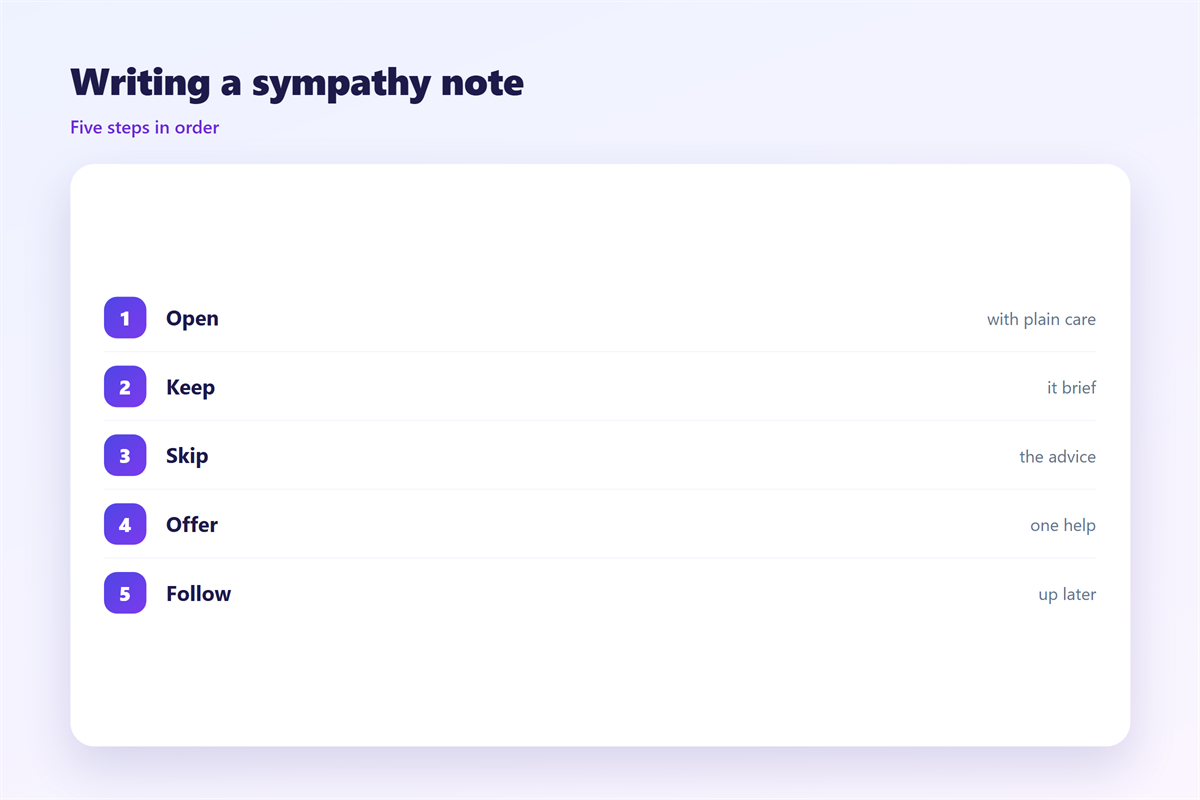
Open with a short, honest line of care.
Name the loss in plain and gentle words.
Share one memory if you have it.
Offer one concrete kind of help.
Keep the whole 邮件慰问信 under a hundred words.
Use a subject line that stays simple.
Add the reader’s name to keep it personal.
Avoid any words that sound like a lesson.
The note should sound like a friend, not a form.
Read it once aloud before you send.
Keep every sentence gentle and direct.
Do not add a request of any kind.
End with a quiet offer and your name.
Structure that reads well
Use one line for the care and one for the help.
Then a sign-off that stays warm and brief.
Leave out every detail that is not needed.
Words that work in a 邮件慰问信
Plain words carry more weight than grand ones.
“I am so sorry for your loss” is a good start.
Add one specific memory you hold.
That memory shows the care is real.
Avoid lines that try to explain the loss.
Name a memory that shows you knew them.
Say what you will miss or remember.
Then let the memory speak for itself.
Phrases to avoid
Skip “everything happens for a reason”.
Skip “at least” and other small comforts.
Let the 邮件慰问信 sit quietly with the reader.
Common mistakes to avoid
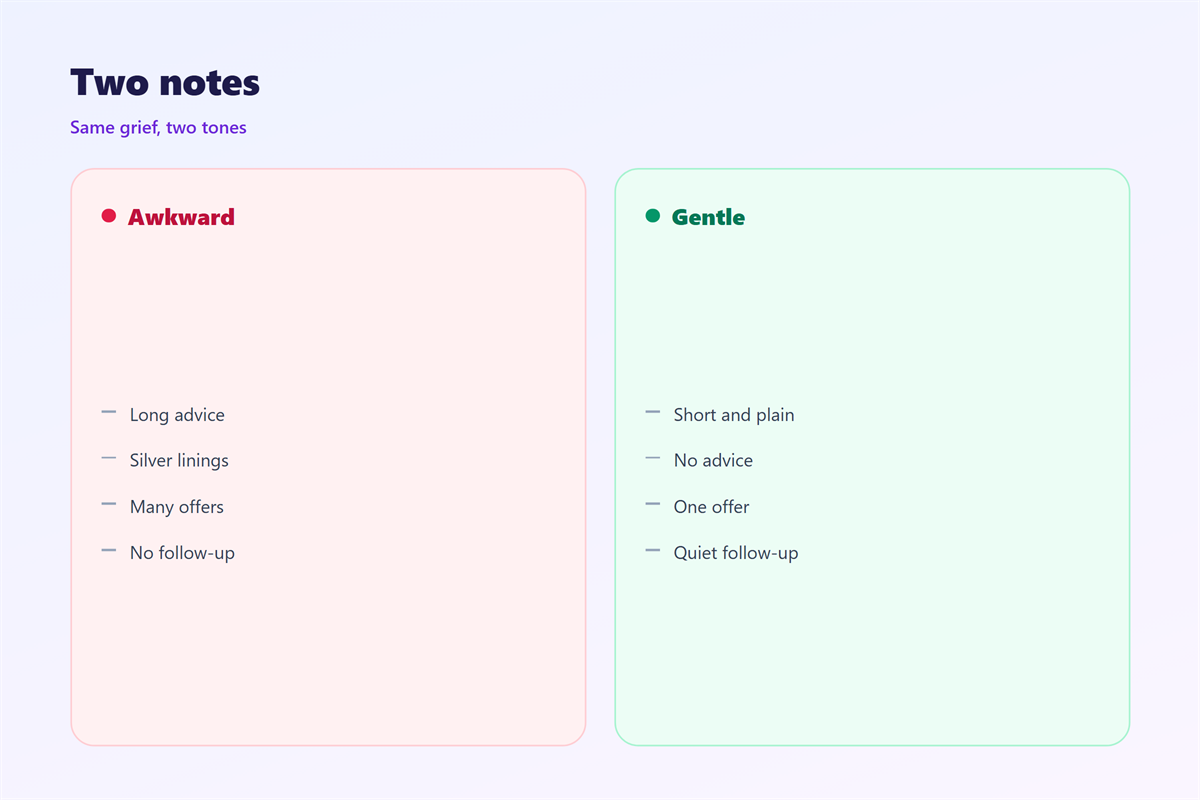
Many notes rush to offer advice.
Others compare the loss to their own.
A few ask the reader to stay strong.
Each mistake weakens the point of the note.
Keep the 邮件慰问信 about the reader, not you.
Proofread once, then send without delay.
Long notes can add weight the reader cannot carry.
A copied note feels cold and careless.
A note that gives advice adds weight.
A note that compares losses adds pain.
Keeping 邮件慰问信 habits consistent
A short note works best inside a wider habit.
The manners that keep care polite appear in 邮件礼仪.
How a business keeps buyers close is covered in 邮件客户关怀.
The right level of warmth appears in 邮件语气.
The wording that keeps regret honest is shown in 邮件致歉.
Hold the same standard in every 邮件慰问信 you send.
Link each habit to the next so nothing is forgotten.
A shared habit keeps the whole team kind.
Offering steady care over time
Set aside a quiet moment at the end of the day.
Note anyone who may need a kind word.
A steady habit makes each 邮件慰问信 easier.
Over a year, those notes build real comfort.
Keep a short list of people to check on.
Review the list at the end of each month.
Notice how much lighter the habit feels.
Set a gentle reminder for the key dates.
The custom soon becomes part of the month.
A small act of care can last for years.
FAQ
Is 邮件慰问信 the same as a condolence card?
Mostly. It is a short digital note of care.
How long should the note be?
Keep it to three or four short sentences.
Should I offer to help?
Yes, but name one specific, simple task.
What if I do not know what to say?
Say less. A plain line of care is enough.
评论
还没有评论,来说两句吧。
评论功能已关闭。